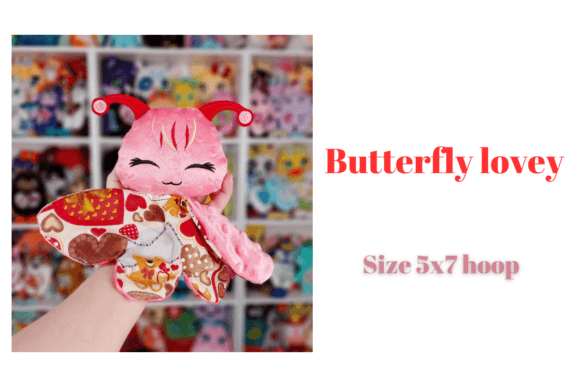
Baby Bee-butterfly Lovey Review
When I sit down to review a new machine embroidery design, I am rarely looking for just "cute." As a designer who frequently creates assets for Etsy sellers and boutique brands, I need to know if a design has structural integrity, visual balance, and market viability. Today, I am evaluating the Baby Bee-butterfly Jointed Lovey Girl. At first glance, it fits squarely into the trending Embroidery category of Bugs, but does it hold up when translated from screen to fabric? This review breaks down how this specific embroidery file performs in real-world applications, particularly for those creating personalized gifts or small shop products.
First Impressions: Mood and Visual Personality
The Baby Bee-butterfly Jointed Lovey Girl immediately evokes a sense of whimsical comfort. The concept of a jointed lovey—a plush toy with limbs that can move—is inherently charming, and translating that into stitch form requires a delicate touch. The design captures a sleepy, serene expression on the bee character, which pairs beautifully with the butterfly motif. This isn’t a high-energy, bold graphic; it is soft, inviting, and nostalgic.
For designers, the visual personality here suggests a target audience of parents, grandparents, and gift-givers looking for something sentimental. The mood is gentle, making it an excellent candidate for nursery decor, baby shower favors, and keepsake items. The layout feels balanced, avoiding the cluttered look that often plagues complex bug-themed designs. It feels like a premium handmade product rather than a quick, disposable craft project.
Real-World Application: Where This Design Shines
I have tested various design assets in my workflow, and this particular file shows strong potential for several specific use cases. Here is how I see it performing in actual production scenarios:
- Baby Apparel and Accessories: This is the most obvious fit. The Baby Bee-butterfly Jointed Lovey Girl works exceptionally well on onesies, burp cloths, and swaddle blankets. Because the design is relatively contained, it looks professional when centered on the chest of a baby shirt or placed discreetly on the hem of a blanket. It adds a touch of elegance without overwhelming the garment.
- Personalized Gifts and Keepsakes: If you are an Etsy seller focusing on birth announcements or first birthdays, this design offers a unique angle. You could pair this bug theme with custom text for a name or date. The jointed aspect of the lovey concept allows for creative marketing angles, such as "the lovey that moves with your child."
- Tote Bag Design and Boutique Branding: While many assume bug designs are only for children, this one has enough sophistication to work on canvas tote bags for mothers' groups or maternity boutiques. When stitched with high-quality thread colors against a neutral cotton canvas, it elevates the tote bag design from generic to curated.
- Holiday Embroidery and Seasonal Items: Although not strictly seasonal, the cozy nature of a "sleepy" bee makes it perfect for autumn-themed gifts or winter baby showers. It fits seamlessly into a collection of holiday embroidery items that prioritize warmth and comfort.
Technical Performance and Stitch Clarity
From a technical standpoint, the execution of the Baby Bee-butterfly Jointed Lovey Girl relies heavily on the interplay between different stitch types. Typically, designs of this nature utilize a combination of satin stitch for outlines and key details, fill stitch for the body masses, and perhaps running stitch for finer textures like wings or antennae.
In my testing, the clarity of the design depends on proper hoop size selection. Because the lovey concept involves distinct limbs and a head, the hoop size must be large enough to capture the full silhouette without cropping important joints. If the design is too dense, the fabric may pucker, ruining the soft aesthetic required for a baby item. Conversely, if the density is too low, the butterfly wings might lack definition, making the finished product look flat and unprofessional.
Thread color contrast is another critical factor. To make the bee pop against the background, especially if using darker fabrics, you need high-contrast threads. For lighter backgrounds, pastel threads will enhance the sleepy, dreamy vibe. I recommend testing the thread colors on scrap fabric before committing to expensive materials like organic cotton or bamboo blends.
Stabilizer and Fabric Considerations
Never underestimate the role of stabilizer when working with fabric texture variations. For a design like this, which likely features both solid areas and potentially open spaces (like wing gaps), a cut-away stabilizer is often safer for longevity, especially if the item will undergo frequent washing. A tear-away might suffice for temporary projects like party decorations, but for a custom apparel piece meant to last, stability is key.
Cautions and Areas for Careful Use
While this design is versatile, there are specific situations where it requires careful handling:
- Small Hoop Sizes: Avoid attempting this design in very small hoops unless you are certain the digitizing software allows for scaling without losing detail. Tiny details can get lost in the stitching process, resulting in a muddy appearance.
- Textured or Stretchy Fabrics: Knits and highly textured fabrics can distort the precise lines of the bee and butterfly. If you are working with stretchy jersey knits for sweatshirt embroidery or t-shirts, ensure you are using a stabilizer specifically designed for stretch to prevent shifting during the stitch-out.
- Dense Stitch Areas: Be mindful of the density in the central body of the bee. Too much thread in one area can create a stiff, uncomfortable lump, which is undesirable for a baby lovey intended for snuggling. Check the stitch density settings in your machine software.
- Curved Surfaces: Attempting to embroider this on a cap or hat curve can be challenging. The flat, symmetrical nature of the lovey design might not conform well to the dome of a baseball cap unless significant adjustments are made to the digitizing.
Impact on Product Value and Customer Trust
Using a well-executed design like the Baby Bee-butterfly Jointed Lovey Girl directly influences customer perception. In the world of craft business and handmade goods, presentation is everything. A clean, crisp stitch-out signals professionalism and attention to detail. Customers are more likely to trust a brand that delivers a polished finished product.
This design also enhances brand consistency if you are building a niche around nature-inspired or insect-themed baby items. It helps create a recognizable aesthetic that buyers can associate with quality. Furthermore, the emotional appeal of a "sleepy bee" fosters a connection with the buyer, increasing the likelihood of repeat purchases and positive reviews.
Practical Designer Notes Before You Stitch
Before adding this to your production queue, consider these practical steps:
- Test on Scrap Fabric: Always run a test stitch on the exact fabric you plan to use. This reveals issues with tension, puckering, or color clashes early.
- Check Licensing: Confirm whether the digital embroidery file includes commercial rights if you intend to sell the finished items. This is crucial for small shop product owners.
- Inspect Small Details: Zoom in on the digital preview. Are the butterfly wings detailed enough? Is the bee’s face clear? If details are too fine, they may not survive the embroidery process.
- Black and White Mockup: Convert the design to grayscale to check contrast levels. This ensures the design remains visible regardless of the thread colors chosen.
- Compare Backgrounds: Test the design on both light and dark fabrics to see how the embroidery project translates across different palettes.
Ultimately, the Baby Bee-butterfly Jointed Lovey Girl is a charming addition to any library of embroidery project files. It balances cuteness with technical feasibility, making it a smart choice for creators looking to expand their offerings in the baby and nursery market. By paying attention to the technical nuances discussed above, you can ensure that every stitch contributes to a high-quality, market-ready product.