Lightning Bolts Embroidery Design Review
As an embroidery designer who spends weekends hunched over a sewing machine and weekdays prepping for craft fairs, I have learned that not every digital file translates into a sellable physical product. Some designs look beautiful on a screen but fail miserably when stitched onto fabric. Today, I am reviewing the Lightning Bolts design to determine its viability for handmade market products. This review focuses on real-world application, from booth display strength to production practicality.
First Impressions and Visual Appeal
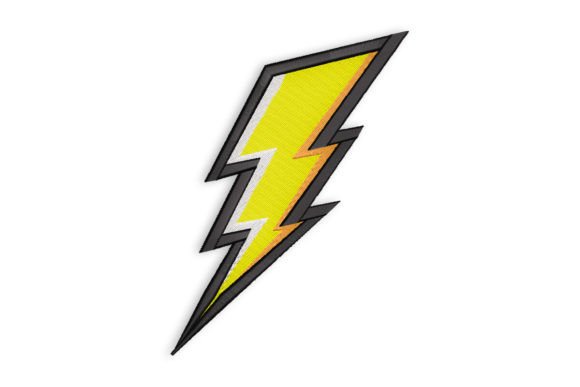
The title "Lightning Bolts" combined with the description of a warning symbol suggests a design that is bold, graphic, and energetic. In the crowded world of handmade goods, standing out is half the battle. A design featuring lightning bolts typically conveys power, energy, or a playful sense of danger. It is not subtle. It does not whisper; it shouts.
For a craft fair booth, this kind of high-contrast visual is incredibly effective. When customers walk past a table laden with soft pastels and delicate florals, a sharp, geometric lightning bolt design catches the eye immediately. It feels modern, slightly edgy, and undeniably cool. Whether you are aiming for a punk-rock aesthetic, a minimalist industrial look, or just want to add a pop of attitude to a classic item, this design has the potential to serve as a strong focal point. The "warning symbol" aspect adds a layer of intrigue—it invites the buyer to ask, "What is the warning?" which can be a great conversation starter at your booth.
Product Application: Where Lightning Bolts Shine
Not all products are created equal, and the success of the Lightning Bolts design will depend heavily on what you stitch it onto. Here is how I would evaluate its performance across various craft fair products:
- Tote Bags: This is perhaps the strongest candidate. A canvas tote bag provides a large, flat surface area that allows the lightning bolt to breathe. Whether placed centrally or off-center, the design works well as a statement piece. It transforms a basic utility item into a fashion accessory.
- Aprons and Tea Towels: For kitchen-themed items, the warning symbol adds a humorous touch. Imagine a tea towel embroidered with a lightning bolt near the hem—it implies "hot stuff" or "high voltage" cooking. On an apron, it serves as a durable, stylish accent that doesn't interfere with the main function of the garment.
- Embroidered Patches: If the design scales down well, it makes an excellent patch. Patches are low-cost, high-margin items that impulse buyers love. A lightning bolt patch can be ironed or sewn onto jackets, backpacks, or hats, extending the life of the machine embroidery design.
- Caps and Beanies: Curved surfaces present challenges. A lightning bolt is angular, so placing it on the front of a cap requires careful hoop placement. However, if executed correctly, the contrast between the curved hat and the straight lines of the bolt creates a dynamic, professional look.
- Pillow Covers and Small Pouches: These items benefit from the design’s simplicity. Because the motif is likely composed of solid shapes rather than intricate shading, it reproduces well on smaller canvases like pouches or decorative pillows.
Production Practicality and Manufacturing Notes
From a production standpoint, efficiency is key. If you are making these items in batches for an Etsy shop or a weekend market, you need a design that is forgiving and fast to stitch. Here are the critical factors to consider:
Stitch Density and Detail
Lightning bolts are typically geometric. This is generally good for embroidery because dense, complex stitching takes time and uses more thread. However, you must check the stitch density. If the design includes tiny details within the warning symbol, those details may get lost or cause puckering if the fabric is too light. Conversely, if the bolts are thick and bold, they will stand up well to washing and wear, increasing the perceived value of the finished product.
Fabric Compatibility
The choice of fabric texture plays a huge role. On a smooth cotton tote bag, the design will look crisp and clean. On a textured linen or a terry cloth towel, the stitches might sink in, losing definition. Always test your embroidery file on the actual fabric you plan to sell. Dark fabrics require a high-contrast thread color—white or bright yellow on black denim, for example—to ensure the lightning bolts remain visible and impactful.
Hoop Size and Stability
Ensure the hoop size required by the design matches your machine’s capabilities. More importantly, verify that the design fits comfortably within the hoop without requiring awkward re-hooping. Using the right stabilizer is non-negotiable. For items like caps or stretchy knits, a cut-away stabilizer is essential to prevent distortion. For woven cottons, a tear-away may suffice, but always err on the side of extra support to maintain a premium finish.
Selling Strategy and Market Positioning
How do you position this small shop product to maximize sales? The Lightning Bolts design appeals to a specific demographic: those who appreciate bold graphics, DIY culture, and functional art. It fits well in niches like music festivals, tech conferences, or general lifestyle markets.
When creating listings for online platforms, use printable mockups that showcase the design in context. Show the tote bag being carried in a busy street, or the apron hanging in a rustic kitchen. Visualizing the end-use helps customers imagine owning the item. Additionally, emphasize the handmade quality. Buyers at craft fairs are looking for uniqueness and craftsmanship. Highlighting the care put into the stitching process reinforces the value of the commercial embroidery work.
Final Designer Verdict
The Lightning Bolts design has strong potential for the handmade market due to its bold, attention-grabbing nature. It is versatile enough for multiple product types, from apparel to home decor, and its geometric simplicity likely aids in efficient production. However, success depends on execution. Pay close attention to thread contrast, fabric selection, and stabilization. Test the design thoroughly before committing to bulk production. If done right, this design can become a staple in your inventory, drawing eyes to your booth and converting browsers into buyers.
Remember to check the digital embroidery file specifications for exact stitch counts and licensing terms before selling finished goods. By treating this design with the same rigor as any other design asset in your library, you ensure consistency and quality across your brand. Happy stitching!