Tea Bag Embroidery Design Review
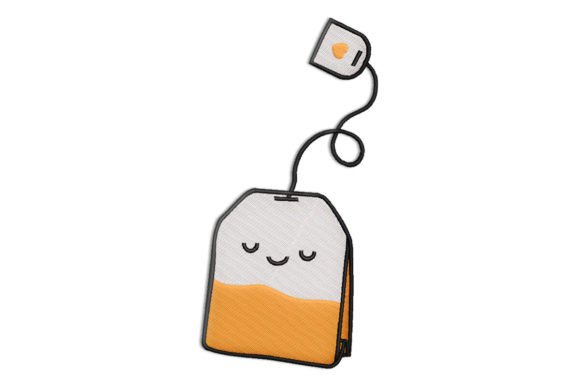
As an embroidery designer who spends weekends setting up booths at local craft fairs and managing a busy handmade shop, I know that not every digital file translates into a bestseller. You can have the most intricate stitch work in the world, but if it doesn’t catch the eye of a passerby or feel practical to produce in bulk, it won’t move off the table. Today, I am reviewing the Tea Bag machine embroidery design—a cute tea bag character intended for any tea-lover. My goal is to evaluate whether this design has the potential to become a staple in your craft fair product lineup or if it should remain in your personal stash.
First Impressions and Visual Appeal
The moment you look at the preview of the Tea Bag design, the vibe is undeniably charming. It leans heavily into the "cute" aesthetic, which is a powerful driver for impulse buys at markets. In my experience, designs that evoke a sense of warmth and humor tend to perform exceptionally well on home decor items. This isn’t just a geometric shape; it’s a character. That personification creates an immediate emotional connection with the customer.
Visually, the design feels soft and approachable. It avoids being overly bold or aggressive, instead opting for a style that fits seamlessly into farmhouse, rustic, or modern minimalist kitchens. When I imagine this stitched out, I picture it using high-quality cotton threads that give it a slight sheen, enhancing its premium feel. The simplicity of a single character means it likely has a clean silhouette, which is crucial for legibility from a distance. At a crowded craft fair, clarity is king. If a customer has to squint to understand what they are looking at, they will walk past. The Tea Bag design appears to strike that perfect balance between decorative and recognizable.
Product Application: Where Does It Shine?
One of the first questions I ask when evaluating a new embroidery file is: where does it live? The description suggests sewing it on kitchen signs, towels, aprons, clothes, and home decor items. Let’s break down the most profitable applications for this specific design.
Kitchen Towels and Aprons
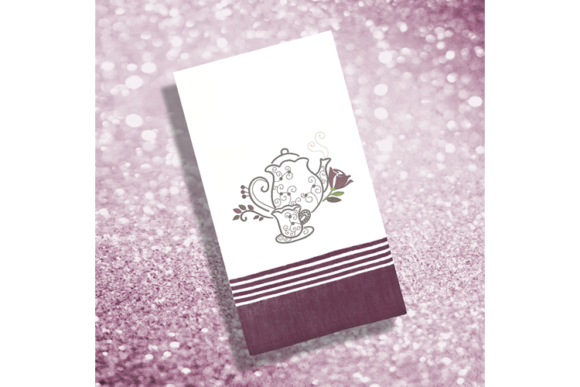
This is arguably the strongest category for the Tea Bag motif. A tea towel embroidery featuring a cute character is a classic gift item. Because tea towels are often made of textured linen or waffle weave, the embroidery adds a necessary layer of visual interest that breaks up the fabric pattern. However, be mindful of the fabric texture; thick weaves can sometimes obscure tiny details, so ensure the design elements are large enough to stand out against the weave.
Similarly, for apron embroidery, placing the design near the pocket or centered on the bib works beautifully. Aprons are functional, meaning customers use them daily. A design that makes them smile while brewing their morning cup adds perceived value to the finished product. It transforms a utilitarian item into a piece of personality-driven decor.
Tote Bags and Market Bags
A tote bag design is another excellent candidate. Many shoppers buy these bags specifically for carrying groceries or books, making them a walking advertisement for your brand. Placing the Tea Bag character on a canvas tote creates a cohesive lifestyle aesthetic. It appeals to the eco-conscious buyer who also loves the ritual of tea. For Etsy sellers, pairing this design with natural-colored canvas bags can significantly boost click-through rates because the imagery aligns perfectly with current trends in sustainable living.
Embroidered Patches and Caps
If the design allows for a clean edge or a backing application, it could work as an embroidered patch. Patches are versatile; they can be ironed onto denim jackets, backpacks, or hats. Additionally, applying this to a baseball cap requires careful consideration of the curved surface. The design must be scaled appropriately to fit the front panel without distortion. A small, cute character often looks adorable on a cap, appealing to younger demographics or those looking for a fun accessory.
Production Practicality and Sales Strategy
From a production standpoint, efficiency is money. When preparing for a weekend market, you want designs that are quick to hoop, stable, and easy to finish. The Tea Bag design, being a character-based motif, likely has moderate complexity. It is important to assess the stitch density. If the design relies on heavy satin stitches for outlines, it might take longer to run and require more stabilization. However, if it uses lighter fill stitches or simple outlines, it will fly through the machine, allowing you to produce batch quantities faster.
Photography is another critical factor. How does the design photograph for online listings or social media? Cute characters translate very well to flat-lay photography. Imagine the Tea Bag embroidered on a folded white towel next to a ceramic mug and some loose tea leaves. This kind of styling tells a story and helps the buyer visualize the product in their own home. It increases the likelihood of conversion for both physical booth sales and digital storefronts.
Furthermore, consider the repeatability. Can you easily repeat this design on multiple products? Yes. Its versatility across textiles—from soft cotton to sturdy canvas—makes it a reliable asset for your small shop product catalog. It fits into seasonal collections effortlessly, particularly around holidays like Christmas or Mother’s Day, where tea-themed gifts are popular.
Careful-Use Notes for the Designer
Before you commit to mass-producing items with the Tea Bag design, there are several technical checks you must perform. First, always test the design on scrap fabric that matches the weight and texture of your final product. What looks good on thin muslin might pucker badly on thick terry cloth.
- Thread Contrast: Ensure your thread colors pop against the fabric. On dark fabrics, you may need a heavier underlay or lighter thread colors to maintain visibility.
- Hoop Size: Confirm the required hoop size early on. If the design is too large for standard hoops, you may need to re-hoop, which increases production time and risk of misalignment.
- Small Details: Inspect the smallest elements of the character. Tiny facial features or text labels can get lost if the stitch density is too low or if the fabric stretches during stitching.
- Stabilizer Choice: Use the right stabilizer. For stretchy fabrics like jersey, a cut-away stabilizer is essential to prevent warping over time. For woven kitchen linens, a tear-away may suffice for easier finishing.
Additionally, create at least one real mockup before listing the product. Digital previews can be deceiving. Seeing the actual texture of the threads and how the character sits on the fabric will give you confidence in your pricing and marketing claims.
Final Verdict
The Tea Bag embroidery design holds significant promise for craft fair sellers and digital entrepreneurs. Its cute, character-driven nature taps into the growing demand for personalized, whimsical home goods. Whether you are creating commercial embroidery pieces for boutiques or selling directly to consumers at a market, this design offers strong visual appeal and broad applicability.
By focusing on high-quality fabrics, proper stabilization, and strategic placement, you can turn this simple design into a standout handmade product. Remember to check all licensing terms regarding commercial use before selling finished items. With careful execution, the Tea Bag design could easily become a loyal favorite in your collection, bringing joy to tea lovers and steady sales to your business.