Candy Cane Redwork Review
As an embroidery designer who spends weekends setting up booths at local craft fairs and managing a busy handmade shop, I have learned that not all digital files are created equal. When a new design drops into my library, my first question is never about the aesthetic alone; it is about viability. Will this sell? Can I produce it efficiently? Does it translate well from a screen to a physical product that a customer wants to hold? This week, I am reviewing Candy Cane Redwork, a design that promises the simplicity of Christmases past. For those of us in the business of creating handmade products, understanding the practical application of a design like this is just as important as its visual charm.
First Impressions and Visual Appeal
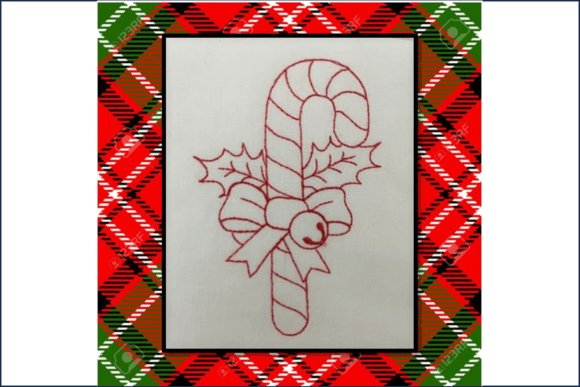
The title "Candy Cane Redwork" immediately sets a specific expectation. Redwork embroidery is historically characterized by single-color stitching, usually red, on white or natural fabric. This style is rooted in tradition, evoking a sense of nostalgia and rustic charm. When I look at Candy Cane Redwork, I see a design that leans heavily into the farmhouse and festive aesthetic. It is not trying to be modern or minimalist; instead, it aims for decorative warmth.
In the context of a craft fair booth, visual impact is everything. Shoppers often glance at displays from several feet away. A design that relies on intricate, tiny details might get lost in the shuffle. However, redwork typically features bold outlines and clear shapes. If Candy Cane Redwork adheres to traditional redwork principles, it should stand out clearly against light backgrounds. The contrast between bright red thread and white cotton creates a striking visual that catches the eye without being overwhelming. It feels soft, nostalgic, and deeply connected to holiday memories, which is a powerful emotional hook for buyers during the Christmas season.
Product Versatility and Market Fit
One of the most critical factors for any machine embroidery design is its versatility. Can this file be used across multiple product categories, or is it limited to one niche? Based on the description of Candy Cane Redwork offering the simplicity of the holidays, this design appears to be highly adaptable for various craft fair products.
- Tote Bags: A classic choice for holiday shoppers. Placing Candy Cane Redwork on a sturdy canvas tote bag offers a large, flat surface that highlights the clean lines of the design. It serves as both a functional item and a festive accessory.
- Aprons and Tea Towels: These kitchen textiles are staples in handmade shops. The design’s traditional vibe pairs perfectly with the utility of an apron or a tea towel. Since the description mentions it is "super quick to stitch," these high-volume items become particularly attractive for batch production.
- Embroidered Patches: With a simple border or appliqué backing, this design can easily be converted into a patch. Patches allow customers to personalize hats, jackets, or bags, adding value to the small shop product.
- Caps and Headwear: While caps offer a curved surface, a central candy cane motif can work well if the hoop size and placement are managed carefully. It adds a subtle touch of holiday spirit to everyday wear.
- Pillow Covers and Pouches: Smaller home decor items benefit from focused designs. Candy Cane Redwork can serve as a charming accent on throw pillows or as a cute closure detail on gift pouches.
For Etsy sellers and online merchants, this versatility means you can create a cohesive collection. You can offer matching sets—a towel, a mug cozy, and a pillow—using the same embroidery file. This consistency strengthens your brand identity and encourages customers to buy multiple items.
Photography and Online Listings
In the digital marketplace, your printable mockup is your salesperson. Designs with high contrast, like red on white, photograph beautifully. They require less editing to look sharp and vibrant. When creating design assets for your online store, ensure that your lighting enhances the texture of the thread. A close-up shot showing the smoothness of the satin stitches or the neatness of the running stitches can convey quality and reassure potential buyers about the durability of the finished product.
Production Practicality and Speed
The product description notes that this design is "super quick to stitch out." In the world of commercial embroidery, time is money. A design that runs quickly allows you to increase your output without sacrificing quality. This is particularly useful for last-minute orders or for preparing inventory for peak holiday seasons.
However, speed must not come at the cost of stability. Before committing to full-scale production, it is essential to evaluate the stitch density. Even in redwork, dense areas can cause puckering if the fabric is too lightweight or if the stabilizer is insufficient. I always advise testing the design on scrap fabric that matches the weight and texture of your final material. Check how the fabric behaves under the needle. If the design includes large solid areas, consider using a cut-away stabilizer for woven fabrics to prevent distortion over time.
Thread Colors and Fabric Texture
While traditional redwork uses a single color, modern interpretations might offer variations. Regardless, thread contrast is key. Ensure that your chosen thread color stands out clearly against your fabric. For tea towel embroidery or apron embroidery, white or off-white fabrics are ideal. If you experiment with colored fabrics, such as navy or forest green, verify that the design retains its clarity. Dark fabrics may require a different approach, potentially adding a background layer or adjusting the stitch type to maintain visibility.
Quality Control and Best Practices
To ensure that every piece leaving your booth or shop meets professional standards, follow these practical steps:
- Test on Scrap Fabric: Always run a test stitch-out before starting a production run. This helps you identify any potential issues with tension, registration, or hooping.
- Check Hoop Size: Confirm that the hoop size required by the design fits comfortably within your product dimensions. A design that is too large for a cap brim or too small for a tote bag corner will not sit right.
- Inspect Stitch Density: Look for areas where stitches might overlap excessively or leave gaps. Adjustments in the digitizing software may be needed for optimal results on different materials.
- Use the Right Stabilizer: The choice of stabilizer can make or break a project. Use tear-away for stable wovens and cut-away for stretchy or delicate fabrics.
- Create Real Mockups: Digital previews are helpful, but nothing replaces seeing the actual embroidered item. Photograph real samples to use in your marketing materials.
- Confirm Commercial Licensing: Before selling any commercial embroidery products, verify the license terms associated with the digital embroidery file. Most reputable designers provide clear guidelines on how many units you can produce.
Conclusion: Is Candy Cane Redwork Worth It?
For craft fair sellers and handmade entrepreneurs, Candy Cane Redwork presents a compelling opportunity. Its nostalgic appeal, combined with the promise of quick stitching, makes it a strong candidate for holiday collections. It works well on a variety of handmade products, from utilitarian kitchen items to fashionable accessories. By paying attention to production details like fabric choice, stabilizer selection, and thread contrast, you can turn this simple design into a best-selling item that resonates with customers looking for authentic, heartfelt holiday gifts.
Remember, the success of your booth or online store often comes down to the details. A well-executed embroidered patch or a neatly stitched tea towel speaks volumes about your craftsmanship. Take the time to review the technical aspects of the design, test thoroughly, and present your products with pride. With careful planning, Candy Cane Redwork can become a staple in your seasonal lineup, bringing joy to your customers and value to your business.