ITH Key Keeper: A Designer’s Review for Small Business Merch
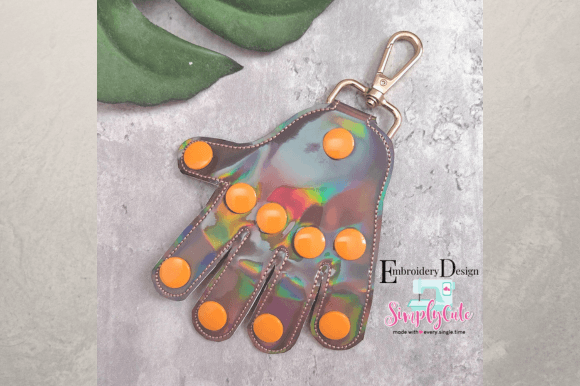
As an embroidery designer who has spent years turning digital files into tangible brand assets, I look at every new design with a specific lens. It is not just about whether the stitches look pretty on a hooped fabric sample; it is about whether the design can survive the rigors of commercial production, hold up to frequent washing, and elevate a small business merch line. Today, I am reviewing the ITH Key Keeper, a machine embroidery design that markets itself as a hand ITH key cover. While the product description suggests this is primarily for personal gifts or self-accessories, my job is to evaluate its potential for professional application, including branded patches, uniform accents, and boutique product labels.
First Impressions: Personality and Visual Impact
The title "ITH Key Keeper" immediately suggests utility wrapped in charm. In the world of embroidery design, names matter because they set the tone for the customer’s emotional connection to the item. From a design perspective, a key keeper implies security, organization, and everyday value. This makes it an excellent candidate for brands that want to convey reliability and care.
When I first analyzed the visual concept behind the ITH Key Keeper, I looked for balance. Does it feel bold enough to be seen from a distance, or is it too delicate? For small business owners, particularly those in the handmade, café, or creative studio sectors, the aesthetic needs to strike a balance between professional polish and approachable warmth. The description highlights that this design helps create "beautiful embroidery gifts," which signals a softer, more decorative approach rather than a stark corporate logo. This is a crucial distinction. It suggests the design works best when used as a charming accent rather than a primary, high-visibility brand mark. It feels friendly, slightly rustic, and undeniably handmade—a perfect match for artisanal brands, bakeries, or florists looking to add a personal touch to their packaging or merchandise.
Real-World Business Applications
While the intended use may be a simple key cover, the versatility of a well-executed machine embroidery design allows us to repurpose elements of the ITH Key Keeper for broader commercial applications. Here is how I see this design fitting into various small business workflows:
- Embroidered Patches: One of the most lucrative uses for designs like this is creating detachable embroidered patches. A small, intricate key motif can be stitched onto denim jackets, tote bags, or backpacks as a trendy accessory. If the ITH Key Keeper features clean lines and manageable stitch density, it translates beautifully to patch form, allowing customers to customize their own gear.
- Apron Embroidery: For cafes, boutiques, and craft businesses, branded aprons are essential. Placing a subtle key keeper design near the pocket or on the chest area adds a unique signature detail. It differentiates your staff uniforms from generic black aprons found in supply stores, reinforcing a sense of pride and professionalism.
- Tote Bag Design: Canvas totes are a staple of small business merch. A key keeper design, perhaps integrated with a small text element or logo, can serve as a focal point on a reusable shopping bag. It reinforces the brand’s commitment to sustainability and practicality.
- Cap Embroidery: Structured caps offer limited real estate, but a compact key motif can work well on the front panel or side. It provides a discreet branding opportunity that appeals to younger demographics who prefer understated logos over large, loud graphics.
- Product Packaging Accents: Imagine stitching a miniature version of the key keeper onto the hang tags of your clothing line or the labels of your candles. This level of detail screams premium quality and enhances the unboxing experience, directly impacting brand identity and customer trust.
Where Caution Is Required
Not every design is suitable for every surface. As a designer, I must warn you about the limitations inherent in the ITH Key Keeper file structure. Because it is described as a "key cover," it likely contains fine details and potentially small lettering. These elements require careful consideration during production.
First, avoid placing this design on highly curved surfaces like the brim of a cap without proper digitizing adjustments. Curved surfaces distort thread tension, which can cause pucker or misalignment, ruining the crispness of the design. Second, be wary of using this design at very small sizes. If the original file relies on thin outlines or tiny text, scaling it down for a wristlet or a small tag will result in a muddy, indistinct blob. Always check the stitch density; if the design is too dense for lightweight fabrics, it may become stiff and uncomfortable.
Additionally, consider the fabric texture. On coarse burlap or heavily textured knits, the fine details of the key keeper may get lost. For these materials, a simplified version with fewer threads and higher contrast would yield better results. Finally, remember that items requiring frequent washing, such as staff uniforms, need robust construction. Ensure that the stabilizer used matches the weight of the garment to prevent distortion over time.
Impact on Brand Identity and Customer Trust
In the competitive landscape of handmade products and Etsy branding, presentation is everything. An embroidered detail like the ITH Key Keeper does more than just decorate; it communicates value. Customers associate high-quality embroidery with durability and attention to detail. When a buyer sees a professionally executed key keeper design on a tote bag or apron, they perceive the brand as established and trustworthy.
This design choice also fosters visual consistency. If your brand uses natural tones, earthy textures, and warm lighting in your photography, the organic feel of an embroidered key motif aligns perfectly with that narrative. It creates a cohesive story across all your design assets, from your website to your physical products. Furthermore, personalized embroidery encourages engagement. Customers are more likely to share photos of unique, embroidered items on social media, providing free marketing and expanding your reach organically.
Practical Notes for Production
Before you commit to printing or embroidering the ITH Key Keeper for your business, follow these essential steps to ensure a successful outcome:
- Test in Black and White: Convert the design to grayscale to check for contrast issues. If the details disappear in monochrome, they will likely struggle in color on certain fabrics.
- Check Hoop Size Compatibility: Verify that the design fits within your standard hoop sizes. If it is larger, you may need to split the design or use a specialized frame, which increases production time and cost.
- Review Thread Color Contrast: Ensure the chosen thread colors stand out against your target fabric. Low contrast can make the design look faded or unfinished.
- Inspect Spacing and Density: Zoom in on the digital file. Are there areas where stitches overlap excessively? Are there gaps that might show the backing material? Adjustments may be needed before production.
- Confirm Commercial Licensing: This is critical. Just because you purchased the digital embroidery file does not automatically grant you the right to sell items made from it. Check the license terms carefully to ensure you are compliant with commercial usage rights.
- Create a Printable Mockup: Before running a full production batch, create a mockup to visualize the design on your actual product. This helps you spot potential issues early and gain client approval.
- Use Proper Stabilizer: The wrong stabilizer can ruin even the best design. Match the stabilizer weight and type (cut-away vs. tear-away) to the fabric’s stretch and weight.
The ITH Key Keeper offers a charming, versatile option for small business owners looking to add a touch of elegance and utility to their merchandise. By understanding its strengths and limitations, you can leverage this design to enhance your brand identity and create memorable finished products that resonate with your audience. Always prioritize quality control and proper licensing to protect your business reputation and legal standing.