Wirehaired Pointing Griffon Embroidery Review
As a designer who spends half my life staring at stitch density charts and the other half troubleshooting tension issues on vintage machines, I don’t just buy embroidery files; I vet them. The market is flooded with generic animal motifs, but when a machine embroidery design claims to capture the spirit of a breed as distinct as the Wirehaired Pointing Griffon, I pay attention. This isn’t just another dog outline; it’s a specific character study that demands careful evaluation before it hits the hoop.
I recently tested this embroidery file for a potential client project involving custom boutique apparel. My goal was to determine if the design held up under real-world conditions—specifically, whether the intricate wirehair texture translated into clean stitches or if it would turn into a muddy blob on fabric. Here is my practical assessment of how this design performs in the studio and on the shelf.
First Impressions and Visual Personality
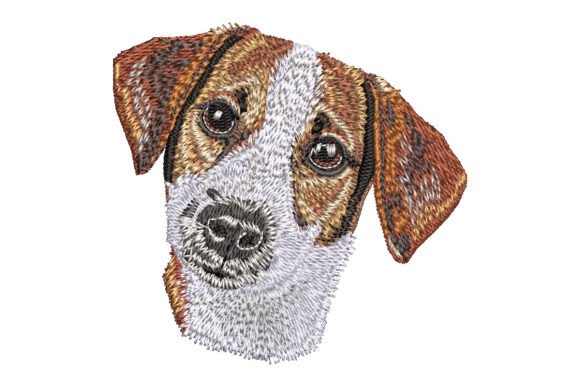
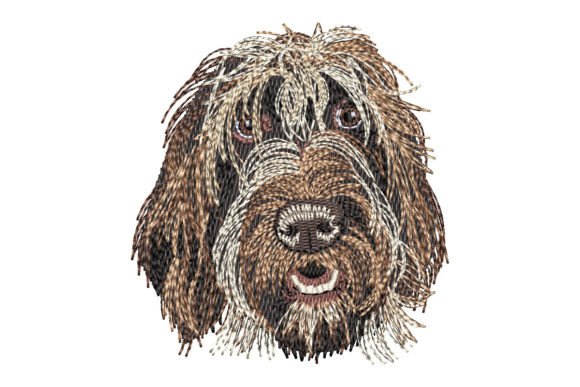
The moment you open the digitized artwork, the mood is immediately established. The Wirehaired Pointing Griffon is known for its rugged, scruffy aesthetic and intelligent gaze. This design captures that essence without relying on excessive detail that might confuse a standard home machine. The layout feels balanced, with a natural focal point around the head and shoulders, which is crucial for keeping the viewer’s eye engaged.
From a design assets perspective, the artist has made smart choices regarding negative space. There is enough breathing room between the main elements to prevent overcrowding, yet the fill areas are substantial enough to provide visual weight. It doesn’t feel like a quick sketch; it feels like a finished piece ready for production. The artistic direction leans towards a slightly stylized realism, which works beautifully for handmade product lines that aim for a rustic, artisanal vibe rather than a hyper-photorealistic look.
Performance in Real-World Embroidery Projects
Let’s talk about application. Where does this embroidery project shine? Based on my testing, this design is versatile but finds its true home in specific categories.
- Custom Apparel: On a heavy cotton sweatshirt or a denim jacket, the design anchors well. The contrast provided by the thread colors against the textured fabric enhances the "wirehair" effect, making the fur look tactile.
- Tote Bag Design: Canvas bags are a staple for craft fairs and Etsy sellers. This motif works exceptionally well here. It appeals to outdoor enthusiasts and dog lovers alike, making it a strong candidate for a high-volume Etsy seller listing.
- Baby Embroidery: For onesies or nursery decor, the design’s approachable nature shines. It’s not too aggressive or overly detailed, making it suitable for soft fabrics where delicate stitching is preferred.
- Embroidered Patch: If you plan to sell patches, this shape translates cleanly. The border is defined enough to be cut out and applied, serving as a great branding element for outdoor gear companies.
However, context matters. When used on a kitchen towel or a tea towel, the design adds a touch of personality to a functional item. It elevates a simple gift into something memorable. Similarly, for holiday embroidery, such as Christmas stockings or ornaments, the warm tones typically associated with this breed fit perfectly into seasonal palettes.
Technical Considerations and Stitch Clarity
No design is perfect, and transparency is key for fellow designers. While the overall composition is strong, there are nuances in the stitch density that require attention.
The finer details, particularly around the eyes and the whiskers, rely heavily on precise satin stitch execution. If your machine’s tension is even slightly off, these small elements can pucker. I recommend using a high-quality tear-away stabilizer for lighter fabrics to support these dense areas. For stretchy knits, a cut-away stabilizer is non-negotiable to maintain integrity after washing.
The fill stitch areas representing the coat are well-placed, but they do have a moderate density. On very thin fabrics, this might show through to the reverse side, which could be undesirable for double-sided garments. Always test on your actual base material. Additionally, check the thread colors in your stash. The design likely relies on earthy browns and greys; ensure your threads have good colorfastness, especially if the final product will see frequent laundering.
Where to Use With Caution
While this design is robust, it is not a one-size-fits-all solution. Avoid placing this on highly textured fabrics like chunky wools or bouclé, as the background noise will compete with the fine details of the embroidery. Similarly, on dark fabrics, you may need an underlay or a specific thread choice to ensure the lighter hairs of the Griffon pop. Be wary of attempting this on curved surfaces like caps unless your machine has excellent tracking capabilities; the slight distortion can misalign the facial features.
Impact on Product Value and Brand Consistency
For small business owners and craft business operators, the perceived value of a product is often tied to the quality of its embellishment. A well-executed Wirehaired Pointing Griffon design signals professionalism. It shows that you understand the subject matter and have invested time in selecting a design that respects the breed’s character.
This translates to customer trust. Buyers on platforms like Etsy or Shopify are discerning. They can spot lazy digitization from a mile away. A clean, clear image suggests care, which justifies a higher price point. Furthermore, this design supports brand consistency. Whether you are creating personalized gifts or commercial embroidery items, the rustic charm of the Griffon aligns well with brands focused on outdoors, nature, and heritage aesthetics.
Practical Designer Notes for Implementation
Before you commit to a full run of production, follow these steps to ensure success:
- Test on Scrap Fabric: Never assume a design will work on your target material without a test stitch. Check for puckering, thread breaks, and color accuracy.
- Review Stitch Density: Zoom in on the digital preview. Are there any overlapping stitches that shouldn't be there? Adjustments in the digitizing software might be needed for specific machine types.
- Check Hoop Size: Ensure the design fits comfortably within your standard hoops. If you are scaling it up or down, verify that the proportions remain intact.
- Inspect Small Details: Look closely at the eyes and nose. These are the first things customers notice. If they look distorted, the entire emotional impact of the design is lost.
- Black and White Mockup: Convert your mockup to grayscale. Does the design still have enough contrast? Sometimes colors look good on screen but wash out in monochrome.
- Confirm Licensing: This is critical. Before selling finished items or digital products, read the license agreement carefully. Some files are for personal use only, while others allow commercial sales of the physical output. Do not guess; verify.
Final Verdict
The Wirehaired Pointing Griffon machine embroidery design is a solid addition to any designer’s library. It balances artistic flair with technical feasibility, making it suitable for a wide range of applications from apparel decorators to hobbyists. It captures the soul of the breed without overcomplicating the stitching process.
If you are looking to add a touch of rustic elegance to your small shop product lineup, this design delivers. Just remember: the difference between a good embroidery and a great one often lies in the preparation. Test thoroughly, choose your materials wisely, and let the craftsmanship speak for itself. For those seeking a reliable, visually appealing dog embroidery motif that resonates with authenticity, this is a worthy investment.