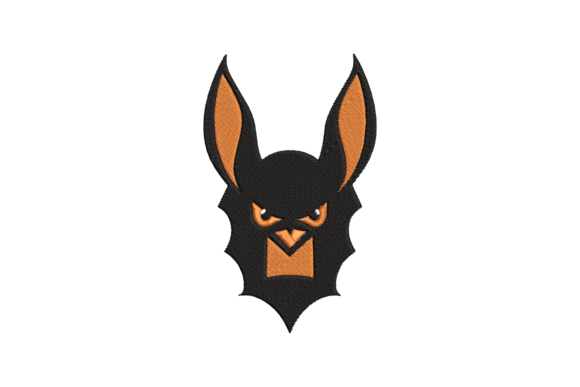
Bat Head Embroidery Design Review
As a designer who spends half my life staring at stitch density charts and the other half worrying about how a design will hold up after twenty wash cycles, I approach every new digital file with a mix of skepticism and hope. Today, I am evaluating Bat Head, an embroidery design categorized under Animals that promises to bring elegance and charm to fabric projects. The description suggests it adds a unique, eye-catching look, but in the world of machine embroidery, descriptions are just the promise—the stitching is the proof.
I have been thinking about this design not as a static image, but as a physical object on a garment or accessory. Whether you are an Etsy seller looking for your next bestseller, a hobbyist making personalized gifts, or a small business owner expanding your craft business inventory, understanding the practical application of a design like Bat Head is crucial. This review breaks down how this animal-themed motif performs in real-world scenarios, from custom apparel to boutique branding.
First Impressions and Visual Personality
When I first loaded the Bat Head file into my digitizing software, the immediate question was: what mood does this create? Animal designs often walk a fine line between cute and creepy, especially when dealing with nocturnal creatures. However, based on the visual layout, Bat Head leans heavily into a charming, stylized aesthetic rather than a realistic or horror-adjacent one. It feels approachable, which is exactly what you want for a broad range of handmade products.
The shape of the bat head appears to offer strong silhouettes. In embroidery, silhouette is king. If the outer edges are clean and distinct, the design will read well even from a distance. For designers, this means it has high recognition value. Whether it ends up on a tote bag design for a festival or a sweatshirt embroidery piece for a Halloween pop-up shop, the subject matter is instantly identifiable. The "elegance" mentioned in the product description likely comes from the way the ears and facial features are proportioned, giving it a sophisticated yet playful vibe.
This visual personality makes it versatile. It isn’t limited to just spooky season. A well-executed bat head can work as a subtle graphic element in autumn-themed decor, a quirky accent on children’s wear, or even a minimalist logo concept for a creative entrepreneur’s brand identity. The key here is the balance between detail and simplicity. If the design relies too much on tiny internal details, it risks becoming muddy when stitched. But if it uses negative space effectively, it remains crisp.
Real-World Application: Where Does Bat Head Shine?
To truly judge an embroidery file, you have to imagine it on the end product. I ran through several mental mockups for Bat Head to see where it fits best in the current market landscape.
- Custom Apparel and Sweatshirts: This design would perform exceptionally well as a chest-level placement on a heavyweight cotton sweatshirt. The contrast between the soft fabric texture and the structured embroidery adds tactile value. For an Etsy seller, a "Bat Head" themed fall collection could easily become a seasonal staple.
- Tote Bags and Canvas Goods: A tote bag design featuring Bat Head offers a great canvas. Canvas holds stitch definition beautifully. Because bats are associated with night and mystery, pairing this design with dark navy or black canvas creates a moody, stylish aesthetic that appeals to young adults and creatives.
- Baby Items and Nursery Decor: Despite the animal's nature, the "charm" factor allows for softer applications. Think of Bat Head embroidered on a burp cloth, a baby blanket, or a nursery pillow cover. Using pastel thread colors (like lavender, mint, or soft grey) can transform a potentially aggressive symbol into a whimsical character. This is perfect for personalized gifts for baby showers.
- Embroidered Patches: If the design includes a clean border, it translates well into an embroidered patch. These are huge sellers in the craft business community. A detachable Bat Head patch can be sewn onto denim jackets, backpacks, or hats, allowing customers to customize their own gear.
- Kitchen and Home Textiles: Don’t overlook kitchen towels or aprons. A small, tasteful Bat Head can add personality to a baker’s apron or a set of holiday tea towels. It brings a sense of fun to domestic spaces without being overwhelming.
In all these scenarios, the design serves as a focal point. It elevates the finished product by adding a layer of artistic intent. Customers aren’t just buying a t-shirt; they are buying a piece of art that reflects a specific taste. That emotional connection drives sales and builds brand loyalty.
Technical Considerations and Potential Pitfalls
While the aesthetic appeal is clear, any experienced designer knows that beauty doesn’t always equal manufacturability. There are specific areas where Bat Head requires careful handling to ensure a professional result.
Hoop Size and Detail Resolution: You must check the recommended hoop size before starting production. If the design is dense and intended for a larger area, trying to cram it into a small hoop can lead to distortion. Conversely, if the design is meant to be delicate, placing it on a large hooping frame might cause unnecessary fabric shift. Always inspect the small details—especially around the eyes and wing tips—to ensure they are large enough to be stitched clearly. Tiny satin stitches can merge together if the resolution is too low.
Fabric Compatibility: This design should be used carefully on textured fabrics. While texture adds depth, it can obscure fine stitch lines. On thin or stretchy fabrics, such as lightweight jersey or sheer chiffon, you need a high-quality stabilizer to prevent puckering. Without proper support, the tension of the embroidery threads can warp the fabric, ruining the clean lines of the bat head. Similarly, on dark fabric, thread color choice becomes critical. You may need to use a cut-away stabilizer or a top tear-away depending on the final hand-feel you desire.
Dense Stitch Areas: Check the stitch density map. If there are large fill stitches, ensure your machine can handle the thickness. Excessive density can make the embroidery stiff and uncomfortable, particularly on items like baby clothes or fitted caps. For curved surfaces like baseball caps, the design must be digitized to accommodate the curve, or it will look distorted once mounted.
Practical Designer Notes for Success
Before committing to a full production run or listing this as a commercial embroidery item, follow these steps to guarantee quality:
- Test on Scrap Fabric: Never trust a screen preview alone. Stitch out Bat Head on the exact fabric type you plan to sell. This reveals issues with thread tension, backing visibility, and color contrast that software cannot predict.
- Check Thread Color Contrast: Evaluate how the chosen thread colors interact with the base fabric. High contrast usually yields better readability, but low contrast can create a trendy, tonal look if executed precisely. Test both light and dark backgrounds.
- Review Stitch Types: Identify where the digitizer used satin stitch versus fill stitch versus running stitch. Satin stitches provide sharp edges, while fill stitches add volume. Ensure the combination matches the desired visual weight of the design assets.
- Black and White Mockup: Convert the design to black and white to check its structural integrity. If the design loses its shape or becomes unrecognizable without color, the underlying structure may be flawed.
- Confirm Licensing: If you intend to sell finished products or digital embroidery files derived from this, verify the license terms. Some files are for personal use only, while others allow commercial sales. Clear licensing protects your small shop product from legal issues.
Final Verdict on Value and Appeal
Bat Head offers a compelling blend of artistic flair and practical utility. For the creative entrepreneur, it represents a low-risk, high-reward asset. It fits seamlessly into existing categories like holiday embroidery, pet accessories, or gothic-inspired fashion lines. Its ability to convey "elegance and charm" despite its subject matter gives it a unique selling proposition that stands out in crowded marketplaces.
The design enhances product value by adding a bespoke feel. A customer sees a mass-produced item and thinks "commodity," but they see a well-stitched Bat Head on a handmade tote and think "special." That distinction is everything in the handmade product market. It fosters customer trust because the quality of the embroidery signals care and attention to detail.
However, success depends on execution. The difference between a amateur-looking patch and a boutique-ready accessory lies in the preparatory work: choosing the right stabilizer, matching the thread colors perfectly, and testing the stitch density on scrap material. By treating Bat Head with the respect due to a professional design asset, you can unlock its full potential across various applications, from digital embroidery file previews to tangible, cherished gifts.
If you are looking to expand your catalog with an animal-themed design that bridges the gap between whimsical and sophisticated, Bat Head is a strong candidate. Just remember: the file is only as good as the stitch-out. Take your time, test thoroughly, and let the quality of your craftsmanship speak for itself.